Explore how social commerce in Malaysia is transforming retail through live selling, mobile payments, and influencer marketing across digital platforms.

Sun, Apr 05 2026
Explore how social commerce in Malaysia is transforming retail through live selling, mobile payments, and influencer marketing across digital platforms.
Brands Sell and Consumers Shop
Malaysia has emerged as one of Southeast Asia’s most dynamic digital markets, where social media is no longer just a communication tool—it has become a full-fledged sales channel. Social commerce, the integration of shopping directly within social platforms, is transforming how businesses connect with customers, particularly among younger, mobile-first consumers.
From beauty brands and fashion boutiques to home-based food sellers and electronics retailers, Malaysian entrepreneurs are leveraging social platforms to shorten the path from product discovery to purchase. This shift is not merely a trend; it represents a structural change in retail behavior, marketing strategy, and customer engagement.
Social media has transformed the way Malaysians shop, creating a thriving ecosystem for e-commerce. Platforms like Instagram, Facebook, TikTok, and WhatsApp have become essential tools for businesses and entrepreneurs, enabling them to reach a broader audience, build brand loyalty, and drive sales. With a tech-savvy population and increasing internet penetration, Malaysia is at the forefront of the social commerce revolution in Southeast Asia.
The rise of social media e-commerce in Malaysia is fueled by High Social Media Usage: With over 89% of the population active on social media, Malaysians spend significant time on platforms like Facebook, Instagram, and TikTok. This high level of engagement provides businesses with a fertile ground to promote their products. Ease of Mobile Payments: The widespread adoption of mobile payment systems such as GrabPay, Boost, and ShopeePay has made it easier for consumers to shop directly through social media platforms. Emergence of Micro-Entrepreneurs: Social media offers a low-cost entry point for small businesses and individuals to start their own ventures. Entrepreneurs can showcase their products, interact directly with customers, and handle transactions without the need for a physical storefront. Interactive Features: Features like live streaming, Stories, and shoppable posts allow businesses to create engaging shopping experiences. TikTok Shop, for instance, has gained popularity for its ability to combine entertainment with seamless shopping.
Malaysia’s digital infrastructure and high social media usage have created fertile ground for social commerce. With widespread smartphone adoption and reliable payment systems, consumers are comfortable browsing, chatting, and purchasing within a single platform.
Platforms such as TikTok, Instagram, Facebook, and WhatsApp dominate Malaysia’s social commerce landscape. These apps combine entertainment, communication, and commerce into a seamless customer experience.
Mobile-First Consumer Behavior. Most Malaysians access the internet primarily through smartphones, making social apps the natural place to discover products.
Trust in Peer Recommendations. Consumers often rely on influencers, friends, and user reviews before making purchases.
Convenience of In-App Shopping. Features like live streaming, direct messaging, and integrated payment systems reduce friction in the buying process.
Low Entry Barrier for Small Businesses. Entrepreneurs can start selling with minimal upfront investment, without building a full e-commerce website.
For many small and medium enterprises (SMEs), social commerce has become the fastest way to reach customers and generate revenue. TikTok Shop: The Fastest-Growing Social Sales Channel. TikTok has rapidly evolved into a major sales engine in Malaysia through its integrated shopping feature, TikTok Shop. Live-stream selling events, product demonstrations, and influencer collaborations drive impulse purchases and high engagement rates. Highly engaging short-form video content. Strong algorithm-driven product discovery. Seamless checkout within the app. Popular among Gen Z and millennials. Industries seeing strong performance on TikTok Shop include: Beauty and skincare. Fashion and accessories. Health supplements. Home and lifestyle products. For brands targeting younger demographics, TikTok is now considered a primary sales channel rather than just a marketing platform.
Influencers play a significant role in driving social media e-commerce. Their ability to build trust and create relatable content has made them essential partners for brands. From mega influencers with millions of followers to niche micro-influencers, these content creators have become a key part of marketing strategies. Influencer marketing is especially impactful in Malaysia, where word-of-mouth recommendations and community connections strongly influence purchasing decisions. Brands collaborate with influencers for product launches, giveaways, and affiliate marketing campaigns, often achieving remarkable results.
Instagram and Facebook: Established Social Commerce Ecosystems. Instagram and Facebook remain essential tools for businesses targeting a broader age range. These platforms provide robust features for product catalogs, targeted advertising, and customer communication. Running targeted ads. Hosting live selling sessions. Managing product catalogs. Building brand communities. Facebook Groups and Marketplace, in particular, are widely used by local sellers and community-based businesses.
WhatsApp: The Backbone of Direct Social Selling. WhatsApp plays a critical role in closing sales. Many Malaysian businesses use WhatsApp as their primary communication channel for order confirmation, payment instructions, and customer service. Direct customer interaction. Fast response time. Personalized service. High customer trust. For small businesses, WhatsApp effectively replaces traditional customer service systems.
Industries Leading Social Commerce Adoption in Malaysia. Social commerce is expanding across multiple sectors, but several industries are leading the transformation. Popular Categories in Social Commerce. Certain product categories perform exceptionally well on social media platforms in Malaysia: Fashion and Accessories: Clothing, hijabs, and accessories dominate sales, driven by influencers and brands showcasing trendy styles. Health and Beauty Products: Skincare and cosmetics brands often rely on influencer endorsements and tutorials to attract buyers.
Food and Beverages: Home-based food businesses and specialty products like cakes and artisanal snacks are thriving on platforms like Instagram.
Gadgets and Electronics: Tech reviews and live demonstrations encourage purchases of gadgets and accessories.
Beauty and Skincare: Beauty brands were among the earliest adopters of social commerce in Malaysia. Influencer marketing, product tutorials, and live demonstrations drive strong engagement and repeat purchases. Common product categories include: Sheet masks. Serums and moisturizers. Makeup products. Hair care items
Fashion is one of the most active categories in social commerce because visual content strongly influences purchasing decisions. Popular segments include: Modest fashion. Streetwear. Sportswear .
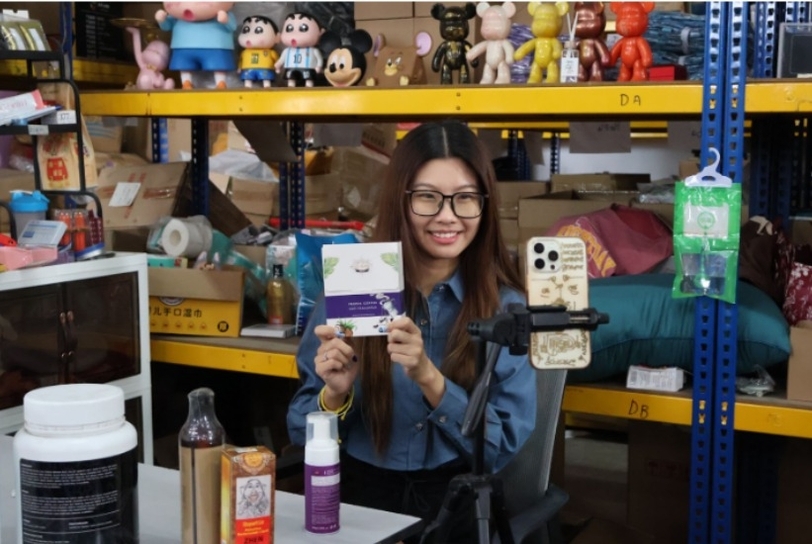
Accessories: Live-stream fashion shows and real-time product launches are increasingly common.
Food and Home-Based Businesses: Home-based food entrepreneurs are leveraging social commerce to reach customers without opening physical stores. Typical products include: Homemade desserts. Frozen food. Ready-to-eat meals. Specialty beverages. This model is particularly attractive for small-scale startups and family-run businesses.
Payment Systems Enabling Social Commerce Growth
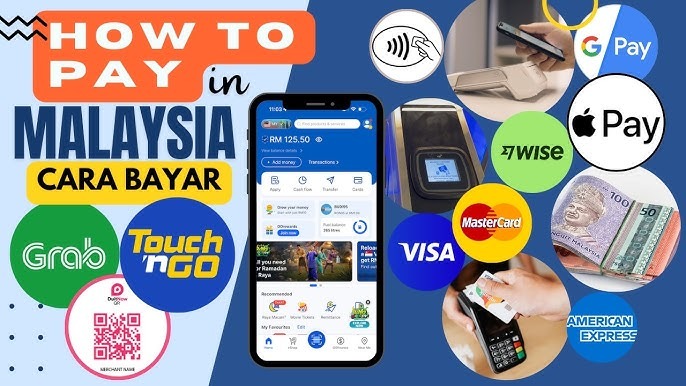
Reliable digital payment systems are essential to the success of social commerce. Malaysia has developed a strong fintech ecosystem that supports fast and secure transactions. Popular payment solutions include: Touch 'n Go eWallet. Grab. ShopeePay. Online banking and instant transfer systems. These payment methods reduce friction in the checkout process and increase consumer confidence. Given your ongoing interest in fintech and digital payment businesses (such as your digital wallet concept), Malaysia provides a strong case study of how payment infrastructure supports rapid e-commerce growth. Social commerce presents significant opportunities for both startups and established companies.
Low Startup Cost. Businesses can start selling with minimal investment because they do not need: Physical retail stores. Large inventory. Complex websites. This makes social commerce accessible to entrepreneurs and small businesses. New products can be launched quickly through social media campaigns, influencer partnerships, and live-stream promotions. Typical launch timeline: Product sourcing. Content creation. Live selling session. Immediate sales.
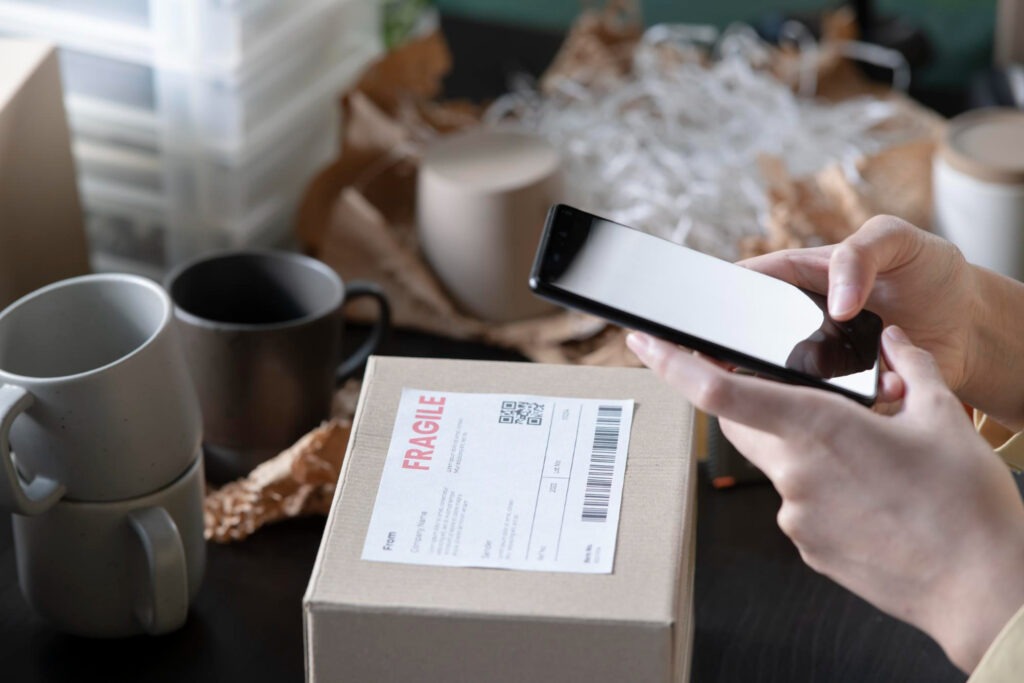
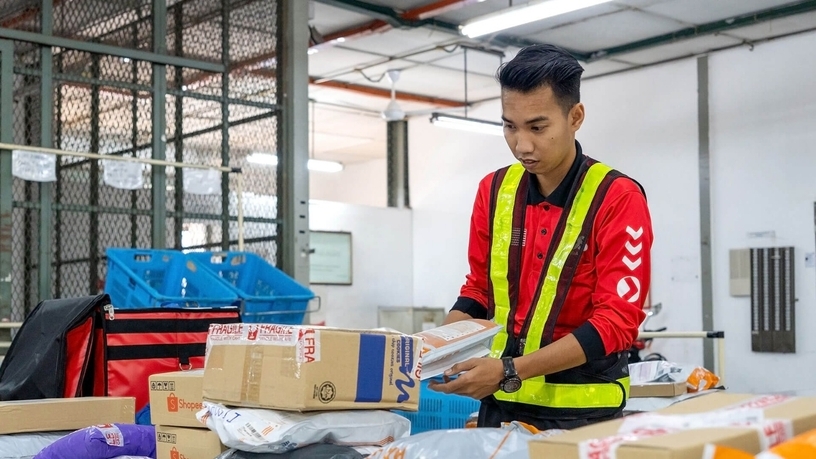
Strong Customer Engagement. Social commerce enables real-time interaction between brands and customers, which builds trust and loyalty. Live product demonstrations. Customer Q&A sessions. Instant feedback. Personalized recommendations. Logistics and Delivery. Fast and reliable delivery is essential to maintaining customer satisfaction. Common issues include: Shipping delays. Inventory management. Order tracking.
Competition and Price Pressure. Low entry barriers mean more sellers entering the market, leading to intense price competition. Businesses must differentiate through: Product quality. Branding. Customer service. Unique value proposition.
Regulatory Compliance. Businesses operating in Malaysia must comply with: Consumer protection laws. Tax regulations. Data privacy requirements. Compliance is particularly important for companies handling payments and personal information.
Social commerce in Malaysia is expected to continue expanding as technology evolves and consumer behavior shifts toward digital-first shopping experiences. Growth of live-stream selling. Integration of artificial intelligence in customer service. Expansion of digital payment ecosystems. Cross-border social commerce. Personalized shopping experiences. Businesses that adapt quickly to these trends will be better positioned to capture market share and build long-term customer relationships.
Despite its rapid growth, social media e-commerce in Malaysia faces challenges: Trust Issues: Customers may hesitate to purchase from unknown sellers due to concerns about product authenticity, quality, and security. Regulatory Concerns: The lack of strict regulations for social commerce can result in issues like scams, counterfeit products, and unregistered businesses. Competition: With the low barrier to entry, the market is saturated with sellers, making it challenging for businesses to stand out.
The future of social media e-commerce in Malaysia looks promising. As platforms continue to innovate with features like augmented reality (AR) try-ons and personalized shopping experiences, consumers will enjoy even greater convenience. Government initiatives to support digital businesses, such as grants and training programs, are also expected to boost this sector. Additionally, the integration of AI and analytics tools will help businesses understand consumer behavior better and deliver more targeted marketing campaigns.
Social media e-commerce has revolutionized the retail landscape in Malaysia, offering businesses new ways to connect with customers and drive growth. While challenges remain, the opportunities for innovation and expansion are immense. With the continued evolution of social media platforms and the entrepreneurial spirit of Malaysians, social commerce is set to play an even more significant role in the country’s economy.