Explore the major U.S. business cities shaping finance, technology, logistics, and energy, and understand how regional strengths drive America's economic growth.

Sun, Apr 12 2026
Explore the major U.S. business cities shaping finance, technology, logistics, and energy, and understand how regional strengths drive America's economic growth.
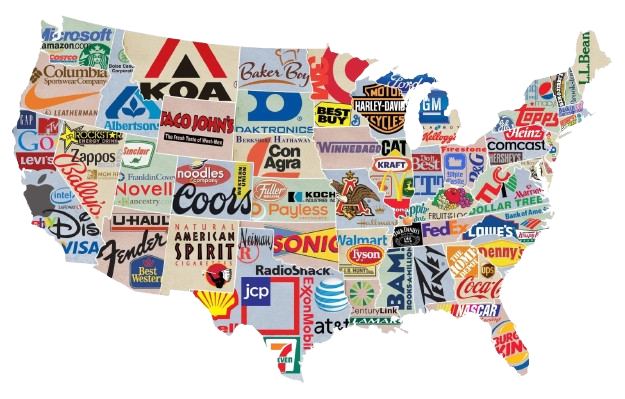
The United States remains one of the most dynamic business environments in the world, powered not by a single economic center but by a network of specialized cities. Each region has developed its own competitive advantage—finance in the East, technology in the West, logistics in the Midwest and Southeast, and energy in the South. For entrepreneurs, exporters, investors, and corporate leaders, understanding this real business map of America is essential. Whether launching a new venture, expanding operations, or identifying export markets, these cities represent the primary engines of economic activity.

New York City stands as the financial heart of the United States and one of the most influential business centers globally. It is home to the world’s largest stock exchange and a dense concentration of banks, investment firms, insurance companies, and multinational corporations. Companies and investors rely on New York for access to capital markets, global finance, and corporate advisory services. The city also leads in fintech innovation, private equity, and venture capital activity.
Key industries: Investment banking. Asset management. Insurance. Fintech. Corporate headquarters. Largest financial center in the United States. Global gateway for capital and investment. Strong demand for international trade and financial services. For international businesses, New York often serves as the first entry point into the U.S. market.
New York City stands as the financial engine of the United States and one of the most influential economic centers in the world. The city’s financial institutions manage trillions of dollars in assets and play a critical role in funding businesses, supporting economic growth, and facilitating global trade. From investment banking and insurance to asset management and fintech innovation, New York remains the primary hub where financial decisions shape markets worldwide.
The city’s business environment is defined by access to capital, a highly skilled workforce, and deep connections to international markets. Many multinational corporations choose New York as their headquarters or regional base because of its strong financial infrastructure and global connectivity. Financial institutions in the city provide services that support companies across industries, including manufacturing, technology, logistics, and retail.
For businesses seeking funding, partnerships, or expansion into the U.S. market, New York City is often the starting point. The city’s financial ecosystem enables companies to raise capital, manage risk, and execute large-scale transactions with efficiency and reliability.
JPMorgan Chase — Largest Bank in the United States
JPMorgan Chase is the largest banking institution in the United States and one of the most influential financial organizations globally. The bank provides a wide range of services, including commercial banking, investment banking, asset management, and corporate finance. Its operations support businesses of all sizes, from small enterprises to multinational corporations. The company plays a central role in financing infrastructure projects, supporting international trade, and managing large-scale investment portfolios. Its global network allows businesses to access financial services across multiple regions. Largest U.S. banking institution by assets. Major provider of corporate financing and investment services. Key player in global financial markets.
Goldman Sachs — Global Investment Banking Leader
Goldman Sachs is widely recognized as one of the world’s leading investment banks, specializing in mergers and acquisitions, capital markets, and wealth management. The firm advises corporations, governments, and institutional investors on complex financial transactions and strategic investments. Its expertise in financial structuring and risk management makes Goldman Sachs a trusted partner for large-scale business deals. The company also plays an important role in shaping global financial strategies and investment trends. Leading advisor for corporate mergers and acquisitions. Strong presence in capital markets and investment management. Influential participant in global financial decision-making.
Citigroup — Major Global Banking Institution
Citigroup operates one of the most extensive international banking networks in the world, serving clients in more than 100 countries. The company focuses heavily on cross-border banking services, trade finance, and corporate banking solutions.
Its global reach makes Citigroup a critical partner for businesses engaged in international trade and investment. The bank’s services help companies manage foreign exchange transactions, secure financing, and expand into new markets. Extensive global banking network. Strong expertise in international trade finance. Key financial partner for multinational businesses.
New York City’s economy is built on financial services that support businesses across every sector. The city’s institutions provide capital, manage risk, and facilitate transactions that drive economic growth both domestically and internationally. Financial firms in New York help companies raise funds through stock offerings, bond issuances, and private investments. These services enable businesses to expand operations and finance large projects.
The city hosts major insurance providers that protect businesses from financial losses and operational risks. Risk management services are essential for industries such as construction, manufacturing, and logistics. New York has become a leading center for fintech innovation, integrating digital payment systems, mobile banking, and financial analytics into traditional financial services. Investment firms in the city manage large portfolios for corporations, governments, and individuals, ensuring long-term financial stability and growth.
New York companies control the movement of capital across industries and borders. Their financial services enable businesses to invest, expand, and operate on a global scale. Access to funding, advisory expertise, and financial infrastructure makes New York City one of the most important locations for corporate decision-making.
For international businesses—including exporters, manufacturers, and entrepreneurs—New York offers opportunities in: Trade financing. Investment partnerships. Corporate banking services. Global market expansion. Understanding the role of New York City within the American economy helps businesses identify where financial power is concentrated and how capital flows support growth across industries.

San Francisco anchors Silicon Valley, the global center of technology innovation. The region has produced some of the most influential companies in modern history and continues to lead in artificial intelligence, software development, and digital platforms. Venture capital funding in this area consistently ranks among the highest in the world, making it a preferred location for startups and technology investors. Key industries: Artificial intelligence. Software and cloud computing. Venture capital. Startups and innovation. San Francisco drives technological transformation across industries, from finance to logistics to healthcare.
San Francisco stands at the center of the world’s technology ecosystem. The city, together with the broader Silicon Valley region, has shaped modern digital life through innovations in software, cloud computing, artificial intelligence, and online platforms. From startups to multinational corporations, businesses in San Francisco continue to influence how companies operate, communicate, and scale globally.
The region’s strength lies not only in technology development but also in its unique environment for entrepreneurship. Venture capital firms, research institutions, and experienced talent create a powerful cycle of innovation that continuously generates new companies and solutions. As a result, San Francisco remains one of the most important destinations for investors, founders, and technology professionals.
For businesses around the world—including exporters, manufacturers, and service providers—San Francisco represents a gateway to digital transformation. Companies based here often set global standards in software infrastructure, customer experience, and platform-based business models.
Salesforce — Enterprise Software Leader
Salesforce is widely recognized as one of the pioneers of cloud-based software services. The company transformed how businesses manage customer relationships by moving enterprise systems from traditional on-premise software to cloud platforms accessible from anywhere. Today, Salesforce provides tools for sales management, marketing automation, customer service, and data analytics. Its solutions are used by companies ranging from small startups to large multinational corporations. The company also plays a major role in the growth of artificial intelligence integration within enterprise software. Global leader in customer relationship management (CRM) software. Strong presence in enterprise digital transformation. Major driver of cloud computing adoption
Uber Technologies — Global Ride-Hailing Platform
Uber revolutionized urban transportation by introducing a mobile-based ride-hailing system that connects drivers and passengers in real time. What began as a local service in San Francisco has evolved into a global logistics and mobility platform operating in hundreds of cities worldwide. Beyond transportation, Uber has expanded into food delivery, freight logistics, and business mobility solutions. The company’s technology infrastructure demonstrates how digital platforms can reshape traditional industries through convenience, scalability, and data-driven operations. One of the most recognized platform-based businesses globally. Strong influence on logistics and last-mile delivery systems. Example of how technology can disrupt established industries.
Airbnb — Global Travel Platform
Airbnb transformed the hospitality industry by enabling homeowners to rent their properties directly to travelers. The platform created a new category of accommodation that combines flexibility, affordability, and local experiences. Today, Airbnb operates in thousands of cities worldwide and has become a major player in global tourism. Its success highlights the growing importance of digital marketplaces and the sharing economy in modern business. Global leader in alternative accommodation. Strong brand recognition in travel and tourism. Demonstrates the scalability of digital marketplace platforms.
San Francisco’s economy is built on innovation-driven industries that rely heavily on technology and intellectual capital. The city leads in developing software solutions, artificial intelligence systems, and platform-based business models that serve global markets. Companies in the region develop enterprise software used by businesses worldwide. These solutions manage operations, finance, communication, and customer relationships. San Francisco has become a major center for AI research and commercialization, supporting applications in finance, healthcare, logistics, and marketing. Thousands of startups are launched in the region each year, supported by venture capital funding and mentorship networks. Many of these companies grow rapidly and expand internationally. Businesses in San Francisco specialize in creating scalable platforms that connect users, services, and data. These platforms often transform traditional industries by improving efficiency and accessibility.
San Francisco is not just a technology city—it is a global innovation engine that shapes how modern businesses operate. Companies from around the world look to this region for new ideas, partnerships, and technological solutions. For international businesses, including those involved in manufacturing, exports, or consumer products, San Francisco offers valuable opportunities in: Technology partnerships. Digital marketing and e-commerce platforms. Software and automation solutions. Venture capital and startup collaboration
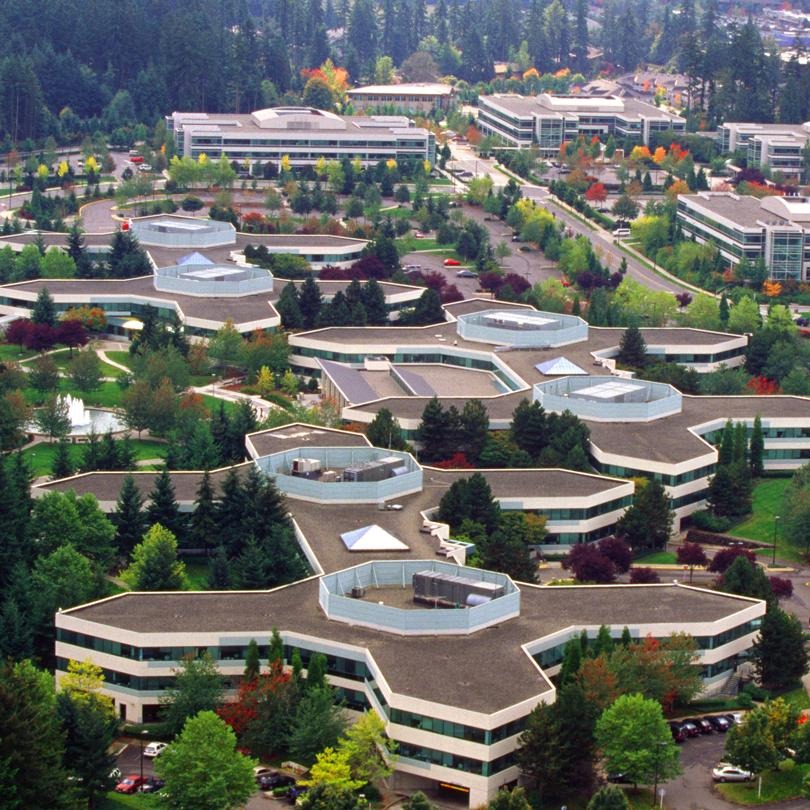
Seattle has emerged as a major technology and global commerce center, combining innovation with strong logistics infrastructure. The city supports large-scale e-commerce operations, cloud computing, and international trade with Asia. Its strategic location on the Pacific coast makes it a critical gateway for imports and exports. E-commerce. Cloud services. Logistics. Aerospace. Seattle connects technology innovation with global trade, making it one of the most important digital economies in the United States. Global Commerce and Technology Gateway Connecting Retail, Cloud, and Consumer Brands.
Seattle has evolved into one of the most influential business centers in the United States, combining advanced technology development with global trade infrastructure. Located on the Pacific coast, the city serves as a strategic gateway connecting North America with Asian markets, making it a vital hub for international commerce and logistics.
Over the past few decades, Seattle has built a reputation as a leader in digital transformation, cloud computing, and global retail operations. The city’s companies have reshaped how consumers shop, how businesses store and process data, and how brands connect with customers worldwide. This strong foundation in technology and commerce has positioned Seattle as a key driver of innovation in both the digital and physical economy.
Seattle’s business ecosystem is supported by world-class infrastructure, a highly educated workforce, and a culture that encourages innovation and entrepreneurship. The presence of major multinational corporations has attracted suppliers, logistics providers, and technology startups, creating a dynamic and interconnected economic environment. For businesses involved in manufacturing, exports, or consumer goods, Seattle represents a powerful market and distribution center with direct access to international trade routes and advanced digital platforms.
Amazon — Global Leader in E-Commerce and Logistics
Amazon is one of the most influential companies in the world, transforming retail through its online marketplace and logistics network. The company operates one of the largest distribution systems globally, enabling fast delivery of products to customers across multiple countries. Beyond retail, Amazon has expanded into cloud computing, digital media, and artificial intelligence. Its logistics and fulfillment infrastructure has set new standards for efficiency in supply chain management. Largest online retailer in the world. Extensive global logistics and distribution network. Major innovator in e-commerce technology.
Microsoft — Global Leader in Software and Cloud Computing
Microsoft is one of the most important technology companies in modern business, providing software solutions used by organizations across nearly every industry. Its cloud computing platform supports businesses by offering secure data storage, computing power, and digital tools that improve productivity. The company’s technology infrastructure enables businesses to operate efficiently, manage information securely, and scale operations globally. Microsoft also plays a significant role in artificial intelligence development and enterprise software systems. Leading provider of cloud computing services. Global developer of business software solutions. Key driver of digital transformation.
Starbucks — Global Consumer Brand and Retail Innovator
Starbucks has become one of the most recognized consumer brands in the world, redefining the coffee industry through branding, customer experience, and retail innovation. The company operates thousands of stores worldwide and has established a strong presence in both developed and emerging markets. Its success demonstrates how a consumer product can evolve into a global lifestyle brand through consistent quality, strategic expansion, and strong brand identity. One of the most recognized retail brands globally. Major influence on global coffee culture. Strong international supply chain and distribution network.
Seattle’s economy is driven by industries that combine technology, logistics, and consumer engagement. Companies in the region focus on building scalable systems that support global commerce and digital infrastructure. Seattle companies lead in online retail and logistics, providing platforms that connect manufacturers, distributors, and consumers worldwide. Businesses rely on cloud-based systems developed in Seattle to store data, manage operations, and deliver digital services. The city supports companies that build strong brand recognition and customer loyalty across international markets. Seattle’s ports and transportation networks facilitate efficient movement of goods between continents.
Seattle companies play a central role in shaping global retail, technology, and digital infrastructure. Their platforms support millions of businesses and consumers, making the city a critical component of the modern economy. For international businesses—including exporters, manufacturers, and brand owners—Seattle offers strategic opportunities in: E-commerce distribution. Digital platforms and online marketplaces. Supply chain partnerships. Consumer brand expansion.
Austin has rapidly transformed into one of the fastest-growing technology cities in America. Companies are relocating to the city due to its lower operating costs, skilled workforce, and business-friendly environment. The city is now widely recognized as a leading destination for startups and technology expansion. Key industries: Technology. Software development. Manufacturing. Corporate services. Austin represents the next generation of American technology growth.
Austin has rapidly emerged as one of the most dynamic business cities in the United States, attracting technology companies, manufacturers, and entrepreneurs seeking growth opportunities in a business-friendly environment. Known for its strong talent pool, lower operating costs compared to traditional tech hubs, and supportive regulatory climate, Austin has become a magnet for corporate investment and industrial expansion.
Over the past decade, the city has transformed into a major center for technology hardware, software development, and advanced manufacturing. Companies relocating to Austin benefit from Texas’s favorable tax policies, reliable infrastructure, and proximity to major transportation networks. This combination has allowed Austin to compete directly with established innovation centers like Silicon Valley and Seattle.
Austin’s economy is also supported by a growing population of engineers, software developers, and skilled manufacturing workers. Universities and training programs in the region continue to supply talent for industries that require technical expertise and operational efficiency. For businesses planning expansion, production, or technology development in the United States, Austin offers a practical balance between innovation and cost efficiency.
Dell Technologies — Global Leader in Computer Hardware and Enterprise Solutions
Dell Technologies is one of the world’s largest producers of computers, servers, and enterprise technology systems. Founded in Texas, the company has played a major role in shaping the global personal computing and IT infrastructure industry. Its products support businesses in sectors such as finance, healthcare, education, and manufacturing. Dell’s strong distribution network and manufacturing expertise allow companies to access reliable hardware solutions for daily operations. Major global supplier of computer hardware and IT systems. Strong presence in enterprise technology infrastructure. Reliable partner for business and government institutions.
Tesla — Pioneer in Electric Vehicles and Advanced Manufacturing
Tesla operates one of the largest manufacturing facilities in the United States in Austin, producing electric vehicles and energy storage systems. The company has transformed the automotive industry through innovation in battery technology, automation, and sustainable transportation. Its presence has significantly boosted Austin’s manufacturing sector, attracting suppliers, engineers, and logistics providers to the region. Leader in electric vehicle manufacturing. Major contributor to advanced production technology. Driver of industrial investment in Texas.
Oracle — Global Enterprise Software and Cloud Services Provider
Oracle relocated its corporate headquarters to Austin, strengthening the city’s position as a major technology center. The company provides database systems, cloud infrastructure, and enterprise software solutions used by organizations worldwide. Oracle’s services help businesses manage data, automate operations, and improve decision-making through advanced analytics and cloud computing. Leading provider of enterprise software and database technology. Strong presence in cloud computing services. Key contributor to digital transformation across industries
Austin’s economy is built on industries that combine innovation with large-scale production capabilities. The city has become a preferred destination for companies seeking efficient manufacturing operations and advanced technology development. Austin supports large-scale production of computers, electronics, and industrial equipment for global markets. Modern factories in the region use automation, robotics, and precision engineering to produce high-quality products efficiently. Technology companies in Austin develop digital tools that support business operations, data management, and communication systems. Texas offers competitive tax policies and simplified regulations that encourage investment and long-term business growth.
Austin represents the future of American manufacturing and technology development. Companies in the city combine innovation with production efficiency, creating products that serve global markets. For international businesses—including exporters, suppliers, and manufacturers—Austin offers strong opportunities in: Electronics and hardware manufacturing. Technology partnerships. Industrial supply chains. Production expansion in North America. Understanding Austin’s role in the U.S. economy helps businesses identify where modern manufacturing and technology development are growing fastest.
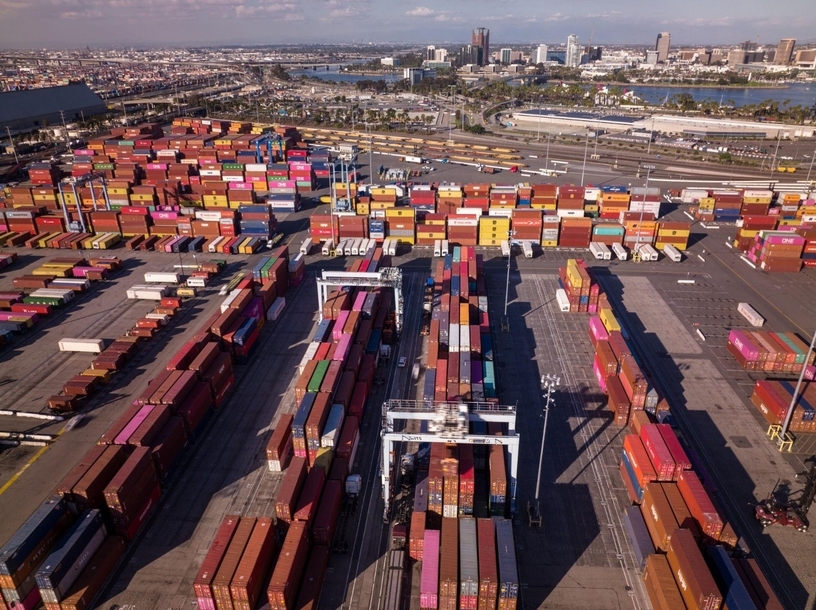
Los Angeles operates the busiest container port system in the United States and serves as a primary gateway for goods entering the country from Asia. The city’s logistics network supports retail, manufacturing, and international trade across the nation. Shipping and logistics. Import and export. Retail distribution. Manufacturing.
Los Angeles is one of the most strategically important business cities in the United States, combining international trade, entertainment production, and large-scale manufacturing. As the largest city on the West Coast, Los Angeles serves as a major gateway connecting the United States to Asia and global markets through its extensive port and logistics infrastructure.
The region’s economy is highly diversified, supporting industries ranging from film and media production to aerospace manufacturing and consumer goods distribution. Businesses operating in Los Angeles benefit from access to one of the busiest port systems in the world, a large workforce, and a strong network of suppliers and service providers.
Los Angeles is particularly important for companies involved in import-export activities, distribution, and creative industries. The city’s logistics capabilities allow goods to move efficiently across the United States and internationally, making it a critical hub for global supply chains. For exporters, manufacturers, and brand owners, Los Angeles offers a unique combination of transportation infrastructure, creative talent, and industrial capacity.
AECOM — Global Leader in Engineering and Infrastructure Development
AECOM is one of the world’s largest infrastructure and engineering consulting firms, providing services in construction, transportation, and environmental management. The company works on major infrastructure projects such as highways, airports, and urban development systems. Its expertise supports governments and corporations in building large-scale facilities and improving transportation networks. AECOM plays a significant role in shaping modern cities and industrial infrastructure worldwide. Major global infrastructure and engineering firm. Expertise in transportation and construction projects. Strong presence in international development markets.
The Walt Disney Company — Global Entertainment and Media Leader
The Walt Disney Company is one of the most recognized entertainment companies in the world, producing films, television programs, streaming content, and theme park experiences. Its operations span multiple industries, including media production, consumer products, and tourism. The company’s success demonstrates how intellectual property and storytelling can generate long-term revenue through licensing, merchandising, and global distribution. Leading producer of films and entertainment content. Major contributor to global media and tourism industries. Strong brand recognition worldwide.
Amgen — Pioneer in Biotechnology and Pharmaceutical Innovation
Amgen is one of the largest biotechnology companies in the United States, specializing in the development of advanced medicines for serious diseases. The company invests heavily in research and development to create treatments that improve patient outcomes and healthcare efficiency. Its presence has strengthened Los Angeles’ position as an important center for biotechnology and life sciences manufacturing. Major developer of biotechnology and pharmaceutical products. Strong investment in scientific research and innovation. Key contributor to healthcare and life sciences industries.
Los Angeles has built its economy on industries that support both physical goods movement and creative production. The city’s infrastructure enables businesses to produce, distribute, and market products on a global scale. The city’s ports and transportation networks handle massive volumes of cargo, supporting import-export operations across industries. Film studios, television networks, and digital media companies create content distributed worldwide. Factories in the region produce aerospace components, consumer products, and industrial equipment. Los Angeles supports companies that build strong brand identities through marketing, design, and media exposure.
Los Angeles plays a critical role in connecting production, creativity, and global distribution. Companies in the city manage supply chains, create entertainment content, and manufacture products that reach consumers worldwide. For international businesses—including exporters, manufacturers, and brand owners—Los Angeles offers strong opportunities in: Import and export logistics. Media and entertainment partnerships. Industrial manufacturing. Consumer product distribution.
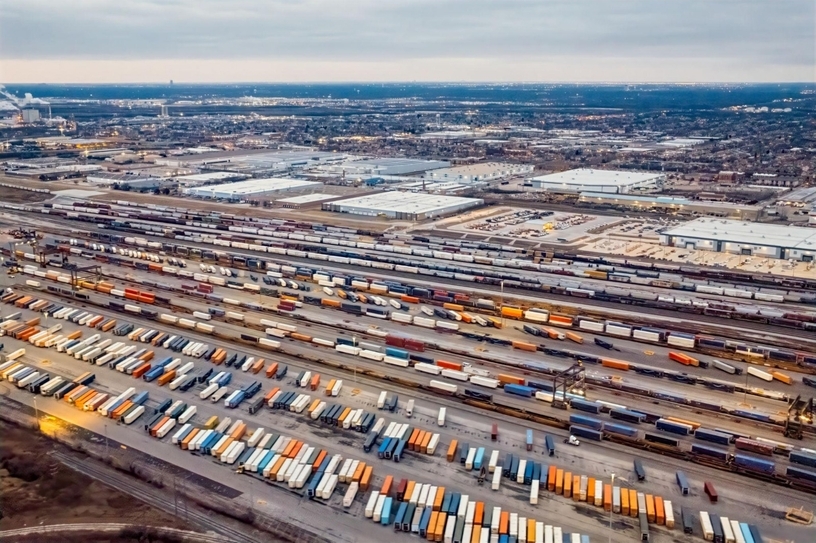
Chicago is the transportation hub of America. Its central geographic location allows goods to move efficiently between the East Coast, West Coast, and Midwest. The city supports large-scale distribution operations for retailers, manufacturers, and wholesalers. Transportation. Warehousing. Food distribution. Manufacturing.
Chicago has long been recognized as one of the most important transportation and industrial centers in the United States. Located in the Midwest, the city serves as a central hub connecting the East Coast, West Coast, and Southern regions through railways, highways, and air transportation networks. This strategic position has made Chicago a critical gateway for the movement of goods, people, and services across the country.
The city’s economy is built on strong manufacturing traditions, advanced logistics infrastructure, and a diverse business community. Companies operating in Chicago benefit from efficient transportation systems, access to large consumer markets, and proximity to major industrial regions. The presence of one of the busiest airports in the world and extensive rail networks allows businesses to distribute products quickly and reliably.
Chicago is especially important for industries that rely on supply chain coordination, large-scale production, and nationwide distribution. The city’s business environment supports manufacturers, airlines, food service providers, and logistics companies that operate across North America. For exporters, suppliers, and manufacturers, Chicago offers a dependable base for managing transportation, production, and distribution operations.
Boeing — Global Leader in Aerospace and Aviation Manufacturing
Boeing is one of the world’s largest aerospace manufacturers, producing commercial airplanes, defense systems, and space technology. The company plays a vital role in global aviation, supplying aircraft to airlines and governments around the world. Its operations require advanced engineering, precision manufacturing, and complex supply chain management, making Boeing a key contributor to industrial innovation and technological development. Major global manufacturer of commercial aircraft. Strong influence on aerospace engineering and production. Critical supplier to international airlines.
McDonald's — Global Leader in Food Service and Franchise Operations
McDonald's is one of the largest restaurant chains in the world, operating thousands of locations across multiple countries. The company has built a highly efficient franchise system that allows consistent food production and service delivery worldwide. Its success demonstrates how standardized operations, strong branding, and supply chain management can support rapid business expansion. One of the most recognized global restaurant brands. Extensive franchise and distribution network. Major employer in the food service industry.
United Airlines — Major U.S. Air Transportation Provider
United Airlines operates one of the largest airline networks in the United States, connecting major cities domestically and internationally. The company plays an essential role in passenger travel, cargo transport, and logistics services. Its operations support tourism, business travel, and global trade by enabling fast and reliable transportation. Extensive domestic and international flight network. Key provider of air cargo and passenger services. Important contributor to transportation infrastructure.
Chicago’s economy is supported by industries that focus on moving goods, producing products, and serving consumers. The city’s infrastructure enables efficient operations for companies that depend on reliable logistics and large-scale production. Chicago’s railroads, highways, and airports form one of the most comprehensive transportation systems in North America. Factories in the region produce machinery, equipment, and consumer goods for domestic and international markets. The city supports large restaurant chains and food suppliers that deliver products to millions of customers daily. Businesses in Chicago specialize in coordinating transportation, warehousing, and inventory systems.
Chicago serves as the operational center of America’s transportation and manufacturing network. Companies in the city ensure that products move efficiently from factories to consumers across the country. For international businesses—including exporters, suppliers, and manufacturers—Chicago offers strong opportunities in: National distribution and logistics. Industrial manufacturing partnerships. Food service and franchise operations. Air cargo and transportation services. Understanding Chicago’s role in the U.S. economy helps businesses identify where logistics and production systems come together to support large-scale commerce.
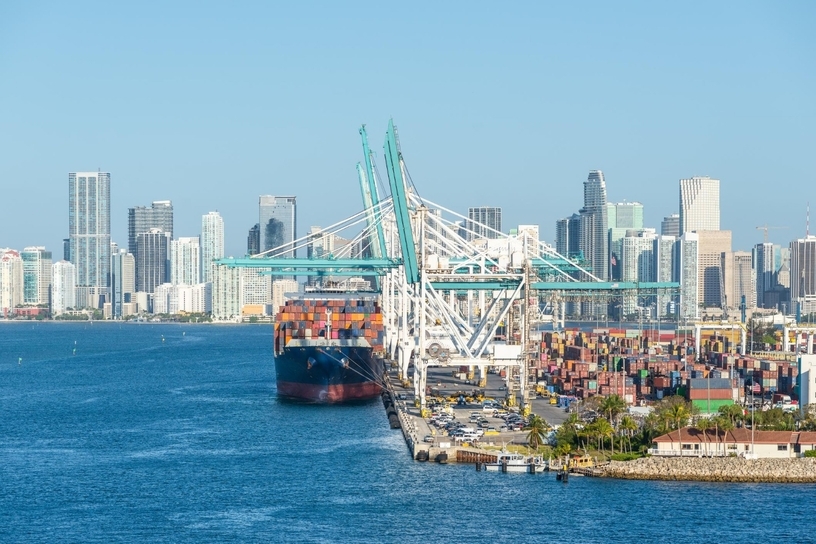
Miami functions as a strategic gateway between the United States, Latin America, and the Caribbean. The city’s growing financial sector and international trade infrastructure have made it a preferred location for multinational companies. International trade. Logistics. Real estate. Tourism. Miami provides access to emerging markets across the Americas.
Miami has established itself as one of the most important international business centers in the United States, particularly for trade, logistics, and tourism. Its strategic location at the southeastern tip of the country makes it a natural gateway connecting North America with Latin America and the Caribbean. Businesses operating in Miami benefit from strong transportation infrastructure, global shipping routes, and a diverse international workforce.
The city plays a critical role in maritime commerce, handling large volumes of cargo and passenger traffic through its seaports and airports. Miami is widely recognized as the cruise capital of the world, hosting some of the largest cruise companies and tourism operators. This strong presence in shipping and tourism has created a robust ecosystem supporting logistics providers, travel services, and international trade businesses.
Miami’s economy is also supported by growing demand for supply chain management, freight forwarding, and distribution services. Companies involved in import-export operations often choose Miami as a regional headquarters because of its efficient customs processes and access to global markets. For exporters, logistics providers, and tourism-related businesses, Miami offers direct connectivity to international customers and supply chains.
Carnival Corporation — Largest Cruise Company in the World
Carnival Corporation operates a fleet of cruise ships serving millions of passengers annually across global destinations. The company plays a major role in the tourism industry, supporting travel, hospitality, and entertainment services. Its operations require complex logistics coordination, including port management, passenger services, and supply chain support for onboard operations. Largest cruise operator globally. Major contributor to tourism and travel industries. Strong presence in international passenger transportation.
Ryder System — Leader in Supply Chain and Fleet Management
Ryder System provides transportation, warehousing, and logistics services for businesses across multiple industries. The company manages commercial vehicle fleets and distribution systems that support manufacturing, retail, and e-commerce operations. Its services help companies improve delivery efficiency and reduce operational costs through advanced logistics management. Major provider of transportation and logistics services. Expertise in fleet management and supply chain operations. Strong support for distribution and delivery systems.
Norwegian Cruise Line Holdings — Global Cruise and Hospitality Operator
Norwegian Cruise Line Holdings operates cruise brands serving international travelers across popular destinations. The company focuses on delivering premium travel experiences while maintaining efficient maritime operations. Its business model integrates tourism, hospitality, and transportation services into a single platform. Major operator in the global cruise industry. Strong presence in international tourism markets. Significant contributor to maritime transportation.
Miami’s economy is driven by industries that depend on transportation networks, international travel, and maritime operations. The city’s infrastructure supports businesses involved in moving goods and passengers across borders. Miami handles large volumes of cargo and cruise passengers, supporting global trade and tourism. Companies in the city specialize in freight forwarding, warehousing, and transportation management. Hotels, cruise operators, and travel agencies serve millions of visitors each year. Businesses in Miami provide customs brokerage, export documentation, and supply chain coordination.
Miami serves as the primary gateway for trade and travel between the United States and Latin America. Companies in the city manage shipping routes, logistics operations, and tourism services that connect international markets. For international businesses—including exporters, logistics providers, and travel operators—Miami offers strong opportunities in: Import and export distribution. Maritime shipping partnerships. Tourism and hospitality services. Regional headquarters for Latin American operations.
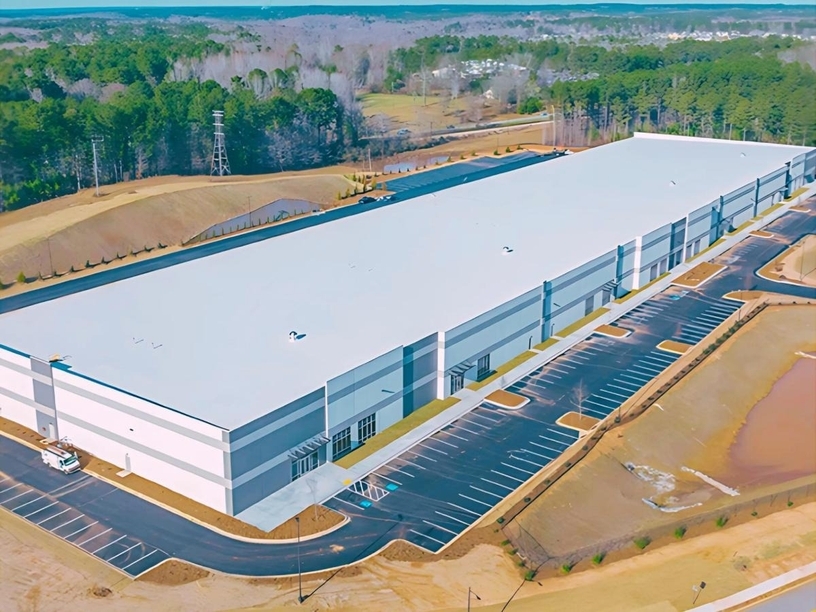
Atlanta has developed into one of the most important logistics and corporate hubs in the southeastern United States. Its airport handles more passengers and cargo than any other airport in the world. Key industries: Logistics. Transportation. Corporate services. Retail distribution.
Atlanta has developed into one of the most important logistics and consumer brand centers in the United States. Its strategic location in the southeastern region allows businesses to distribute products efficiently across the country, making the city a vital hub for transportation, retail operations, and supply chain management. Atlanta’s infrastructure supports large-scale movement of goods and services, connecting manufacturers, retailers, and consumers nationwide.
The city is home to one of the busiest airports in the world, extensive highway systems, and major rail connections. These transportation networks allow companies to deliver products quickly and reliably, reducing shipping times and improving operational efficiency. As a result, many national and international corporations have established headquarters or major distribution centers in Atlanta.
Atlanta is also recognized for its strong presence in consumer goods and retail industries. Global brands headquartered in the city manage production, marketing, and distribution operations that reach customers around the world. This concentration of consumer-focused companies has strengthened Atlanta’s reputation as a center for brand development and market expansion. For businesses involved in manufacturing, retail, and logistics, Atlanta provides a reliable platform for managing supply chains and reaching large consumer markets.
The Coca-Cola Company — Global Leader in Beverage Production
The Coca-Cola Company is one of the most recognized consumer brands in the world, producing beverages sold in nearly every country. The company has built a powerful distribution network that delivers products to millions of retailers, restaurants, and consumers daily. Its operations demonstrate how strong branding, efficient logistics, and consistent product quality can support long-term global growth. One of the most recognized beverage brands globally. Extensive international distribution network. Strong expertise in marketing and brand management.
The Home Depot — Largest Home Improvement Retailer in the United States
The Home Depot operates thousands of retail stores supplying building materials, tools, and home improvement products. The company serves both individual consumers and professional contractors, supporting construction and renovation projects across the country. Its supply chain and retail operations have set industry standards for inventory management and customer service. Largest home improvement retailer in the U.S. Strong nationwide distribution and logistics network. Major supplier for construction and renovation industries.
Delta Air Lines — Major Global Air Transportation Provider
Delta Air Lines operates an extensive network of domestic and international flights, connecting major cities around the world. The company plays a crucial role in passenger travel, cargo transportation, and business logistics. Its operations support tourism, trade, and corporate travel, making it a key contributor to economic activity in the United States. Major international airline network. Strong presence in cargo and passenger transportation. Important partner for global logistics operations
Atlanta’s economy is built on industries that focus on delivering products efficiently and building strong consumer brands. The city’s infrastructure supports companies that depend on reliable transportation and large-scale distribution systems. Atlanta companies manage large inventories and supply chains that deliver products to stores and customers nationwide. The city’s airport and highway systems enable fast movement of goods across regions. Manufacturers produce beverages, household products, and packaged goods for domestic and international markets. Businesses in Atlanta specialize in managing inventory, shipping, and delivery operations.
Atlanta functions as a central distribution and brand management hub within the United States. Companies in the city coordinate logistics networks, manage retail operations, and deliver consumer goods to millions of customers. For international businesses—including exporters, manufacturers, and retailers—Atlanta offers strong opportunities in: Product distribution across the U.S. Retail partnerships and supply chain management. Consumer brand expansion. Logistics and transportation services.
Houston stands as the energy capital of the United States, leading in oil, gas, petrochemicals, and industrial manufacturing. The city’s energy infrastructure supports both domestic consumption and global exports. Its industrial base continues to expand into renewable energy and advanced manufacturing. Oil and gas. Petrochemicals. Manufacturing. Energy services.
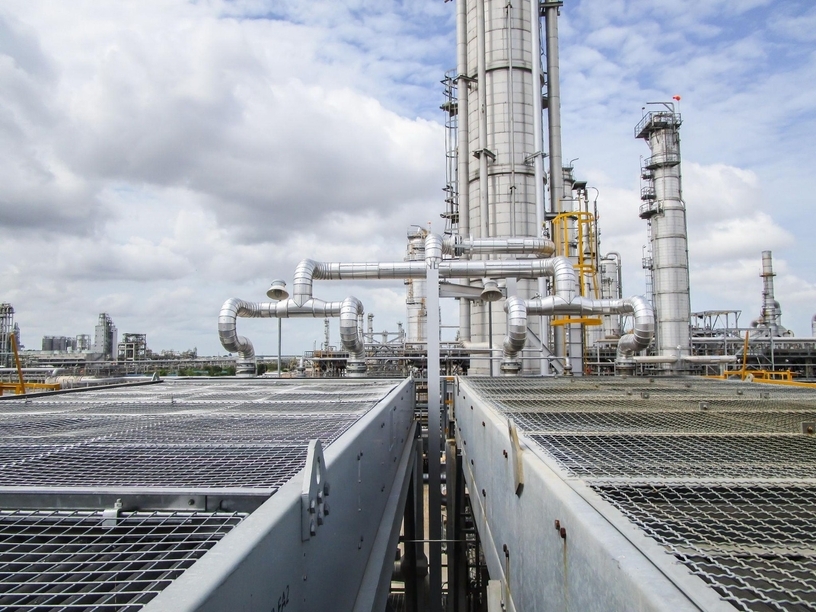
Houston is widely recognized as the energy capital of the United States and one of the most important centers for oil, gas, and petrochemical production in the world. The city plays a critical role in supplying energy resources that power industries, transportation systems, and households across global markets. Its extensive network of refineries, pipelines, and export terminals makes Houston a strategic hub for both domestic energy production and international trade.
The city’s economy is built around large-scale industrial operations, advanced engineering expertise, and strong logistics infrastructure. Businesses operating in Houston benefit from access to raw materials, skilled technical labor, and one of the busiest ports in North America. These advantages have attracted multinational corporations involved in energy exploration, refining, and chemical manufacturing.
Houston is also a key location for research and development in energy technology, including renewable energy and advanced fuel systems. As global demand for energy continues to grow, the city remains central to the development of efficient production and distribution systems. For exporters, manufacturers, and industrial suppliers, Houston provides a reliable platform for energy-related operations and global supply chain management.
ExxonMobil — One of the World’s Largest Energy Producers
ExxonMobil operates extensive oil and gas exploration, refining, and distribution networks across multiple continents. The company supplies fuel, lubricants, and petrochemical products used in transportation, manufacturing, and industrial production. Its operations require advanced engineering, large-scale infrastructure, and strict safety standards, making it a major contributor to global energy supply. One of the largest energy companies globally. Extensive international oil and gas operations. Major supplier of fuel and petrochemical products.
Chevron — Global Leader in Oil and Gas Production
Chevron is a major producer of crude oil, natural gas, and refined petroleum products. The company operates exploration and production facilities worldwide and invests heavily in energy innovation and sustainability initiatives. Its global presence allows businesses to access reliable energy resources for industrial and transportation needs. Major global producer of oil and natural gas. Strong investment in energy infrastructure. Important supplier for industrial and transportation sectors.
Phillips 66 — Leading Refining and Petrochemical Manufacturer
Phillips 66 specializes in refining crude oil into gasoline, diesel, and chemical products used in manufacturing. The company operates pipelines, terminals, and processing facilities that support large-scale energy distribution. Its refining capabilities help ensure consistent fuel supply for domestic and international markets. Major operator of oil refineries and pipelines. Strong presence in petrochemical manufacturing. Key contributor to energy distribution networks.
Houston’s economy is driven by industries that focus on energy production, chemical processing, and industrial manufacturing. The city’s infrastructure supports large-scale operations that supply raw materials and finished products to global markets. Houston companies explore, extract, and refine energy resources used worldwide. Industrial facilities produce plastics, chemicals, and fuel products essential for manufacturing. The city supports companies that design and build energy infrastructure. Houston’s port and pipeline networks enable efficient transportation of energy products.
Houston companies play a central role in driving global energy supply and supporting industrial production. Their operations provide the fuel and materials needed for transportation, manufacturing, and economic growth. For international businesses—including exporters, manufacturers, and industrial suppliers—Houston offers strong opportunities in: Energy and fuel supply partnerships. Petrochemical manufacturing. Industrial equipment and materials. Export operations through major ports.
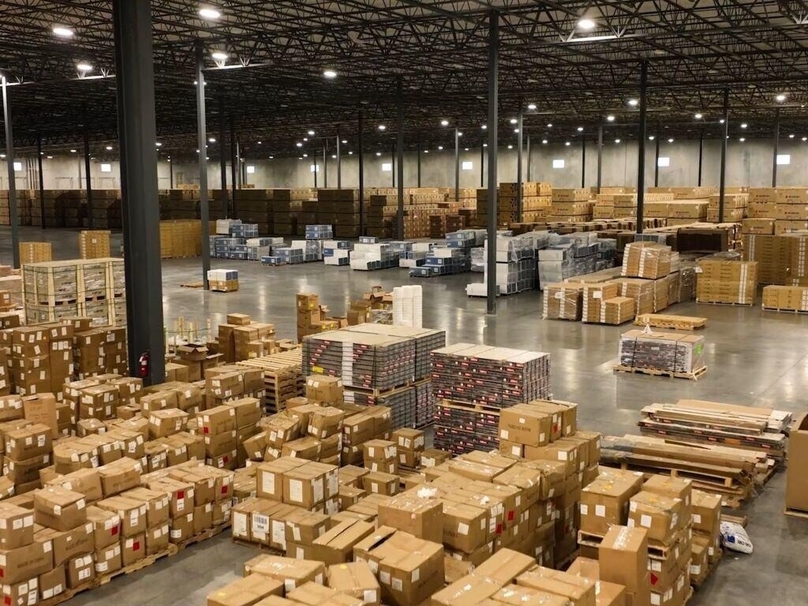
Dallas has become one of the most important corporate expansion centers in the United States, attracting major companies seeking a strategic location with strong infrastructure, a skilled workforce, and a business-friendly environment. The city serves as a central hub for telecommunications, technology development, and transportation services, supporting both domestic and international operations.
Over the past decade, Dallas has experienced steady growth as corporations relocate headquarters or establish regional offices in the region. Companies are drawn to the city’s competitive operating costs, modern office space, and access to one of the largest transportation networks in the country. Dallas is also located within the broader Dallas–Fort Worth metropolitan area, which provides a large consumer market and extensive business resources.
The city’s economy is supported by industries that rely on reliable communication systems, advanced electronics manufacturing, and efficient air transportation. This combination has positioned Dallas as a key location for managing operations across the United States. For businesses planning expansion, distribution, or corporate management activities, Dallas offers a stable and scalable platform for long-term growth.
AT&T — Major Telecommunications and Connectivity Provider
AT&T is one of the largest telecommunications companies in the United States, providing wireless communication, broadband internet, and digital media services. The company plays a critical role in connecting businesses and consumers through reliable communication networks. Its infrastructure supports industries ranging from finance and healthcare to manufacturing and retail. Major provider of wireless and internet services. Strong national telecommunications infrastructure. Essential support for digital communication systems
Texas Instruments — Global Leader in Electronics and Semiconductor Manufacturing
Texas Instruments produces semiconductors and electronic components used in consumer devices, industrial equipment, and automotive systems. The company is known for its innovation in microchips and electronic engineering. Its products support modern technology applications across industries worldwide. Major manufacturer of semiconductors. Strong presence in electronics and engineering. Key supplier for technology and industrial systems.
Southwest Airlines — Leading Domestic Air Transportation Provider
Southwest Airlines operates one of the largest domestic airline networks in the United States, connecting major cities through efficient and affordable air travel. The company plays a vital role in passenger transportation and business mobility. Its operations support tourism, corporate travel, and logistics services. Extensive domestic flight network. Reliable transportation services. Important contributor to regional economic activity.
Dallas has built its economy around industries that support communication, technology production, and efficient movement of people and goods. The city’s infrastructure enables companies to manage operations across large geographic areas. Companies in Dallas develop and maintain communication networks that support businesses nationwide. The region produces semiconductors and electronic components used in modern devices. Dallas supports airlines and logistics companies that connect cities across the United States. Many companies choose Dallas as a base for managing regional and national operations.
Dallas functions as a central command center for corporate expansion and operational management in the United States. Companies headquartered in the city coordinate communication systems, technology production, and transportation services that support business growth. For international businesses—including exporters, manufacturers, and investors—Dallas offers strong opportunities in: Corporate headquarters and regional offices. Technology and electronics partnerships. Telecommunications infrastructure. Transportation and logistics services.
The U.S. economy is not concentrated in one location. Instead, it operates through specialized business hubs that drive growth in different industries. Understanding these cities helps businesses make smarter decisions about investment, expansion, partnerships, and market entry.
America’s economic strength lies in the collaboration of its major business cities, each contributing a unique role in technology, finance, manufacturing, logistics, and energy. From innovation on the West Coast to financial leadership on the East Coast and industrial growth in the South and Midwest, these cities work together to support national development and global trade. For businesses and investors, understanding this interconnected network provides valuable insight into where opportunities exist and how the U.S. market continues to evolve in a competitive global economy.